Lady Macbeth and the Tragedy
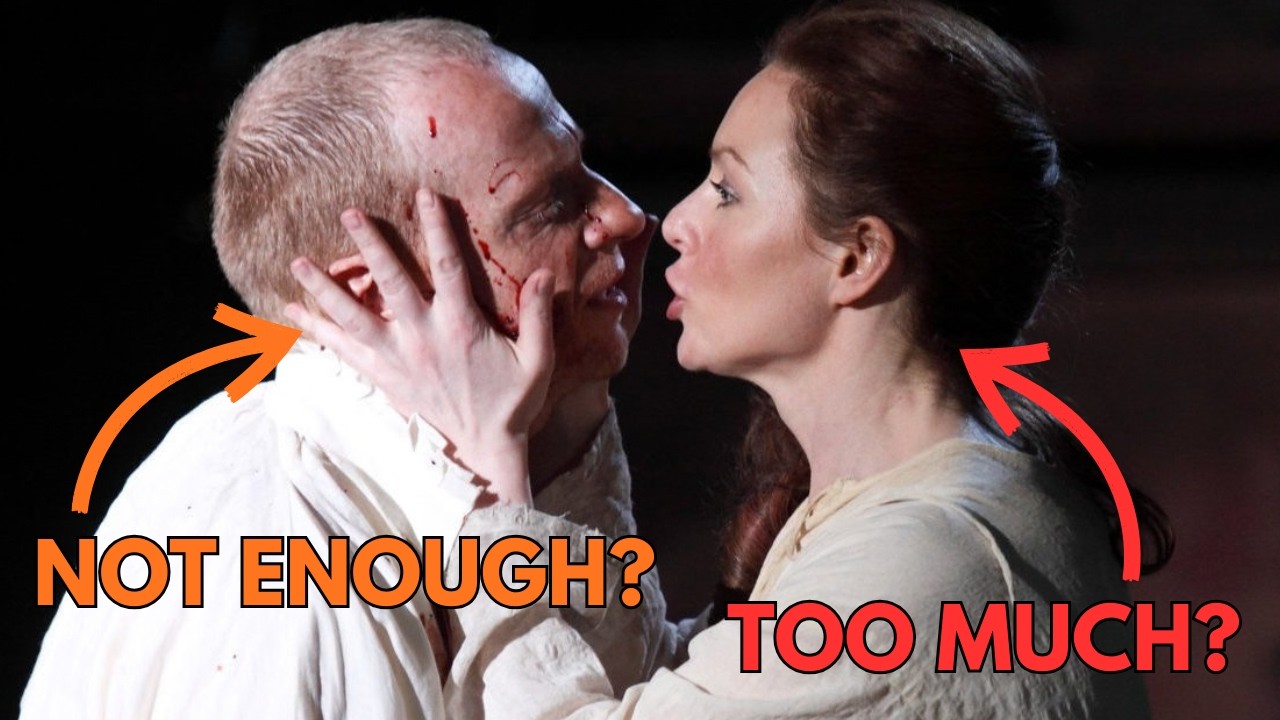
Too many students cap their English Literature essays by treating Lady Macbeth as nothing more than a pantomime villain - a cruel, cold-blooded puppet master who pulls her husband’s strings and gets what she deserves. But if you want to reach Grade 9, you have to stop writing character profiles and start treating her as a tragic heroine constructed inside the formal mechanics of a Shakespearean tragedy.
In this video, I break down exactly how Shakespeare adapts classical dramatic theory to map Lady Macbeth’s character arc - tracking the Aristotelian concepts of hamartia, hubris, peripeteia, anagnorisis, and catharsis - so you can construct an essay that leaves your examiner in zero doubt about your top-tier insight.
In this video, we cover:
-
How Shakespeare borrows and subverts classical Aristotelian tragedy.
-
The specific nature of Lady Macbeth’s hamartia (ambition) and hubris (defying human nature).
-
Tracking the internal peripeteia across Act 2, Scene 2 and Act 3, Scene 2.
-
Subverting anagnorisis: analysing the collapse into prose and psychological fragmentation in Act 5, Scene 1.
-
The structural impact of her offstage death and the complex catharsis it creates for the audience.
-
How to embed dramatic terminology seamlessly across your essay to secure high marks.
⏱️Timestamp⏱️
0:00 understanding the tragic arc
2:29 understanding Lady Macbeth's hamartia and hubris
5:39 understanding Lady Macbeth's peripeteia
9:20 understanding Lady Macbeth's anagnorisis
11:53 understanding Lady Macbeth's catharsis
This video is on my YouTube channel. However, there are a few benefits to watching it here instead:
- You can register to keep a track of which videos you’ve watched
- You can bookmark lessons for later
- There may or may not be no ads, but I can neither confirm nor deny and I definitely didn't tell you if YouTube asked, OK?
There are also multiple resources to help you in the Study Materials section:
Unlocking Shakespeare Study Guide
This is the perfect accompaniment to my video on how to read Shakespeare's language. It goes back over the strategies with more examples and - most importantly - more opportunities for you to practice putting those strategies to use.
Macbeth Wide Margin Textbook
If you don't have a copy of the play to annotate, then this is a must, must, MUST have. If you do have a copy of the play, but it's one of those editions where they have filled every inch of the page with only slightly useful information and have left practically no space for your notes, then my version is also going to be ideal. The wide margins of this version mean that there is plenty of space for your notes. I have still provided translations for lots of the archaic language, and I've provided a list of characters at the start too. It is basically everything I always wished was in the copies of Macbeth I had to use to teach! If you are from a school and would like to order physical copies of the textbook, you can find it on Amazon too.
Macbeth Hexagons Game
If you are studying Macbeth for the purposes of an exam, then this is a fantastic, quick and easy revision game (dare I call it 'fun'?). The basic idea is that every hexagon has a character, theme or some sort of important technique on it. You have to join the hexagons up by connecting the things that link. It's a great way to practice making links and also revise what you know about every important aspect of this play.
If there are any videos or resources you'd like to help you with the study of this play, then please do leave a comment and let me know. I know that my videos only scratch the surface at the moment and you can rest assured that I fully intend to release videos on all the other characters, themes and key techniques. I'm also planning to release model essays so that you can spot the patterns of approach across top grade essays.